
Quick answer
Moorea snorkeling spots span the island's lagoon, with the highest concentrations of marine life at the northern reef passes, shallow coral gardens along the northwest shore, and sandy flats where rays congregate near Temae Beach. All lagoon areas are free to access, open 24 hours, with the best underwater visibility occurring between 08:00 and 11:00 before afternoon winds stir the sand. Most sites are reachable by shore entry or short boat transfer.
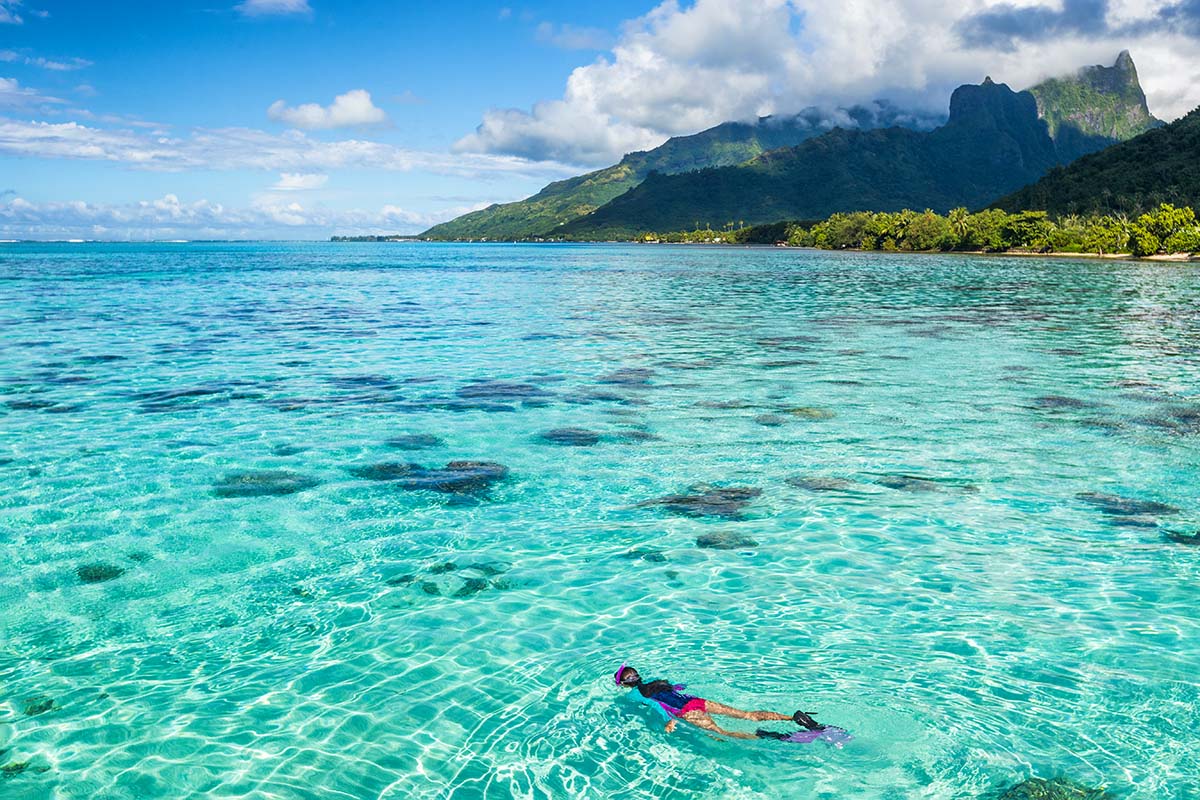
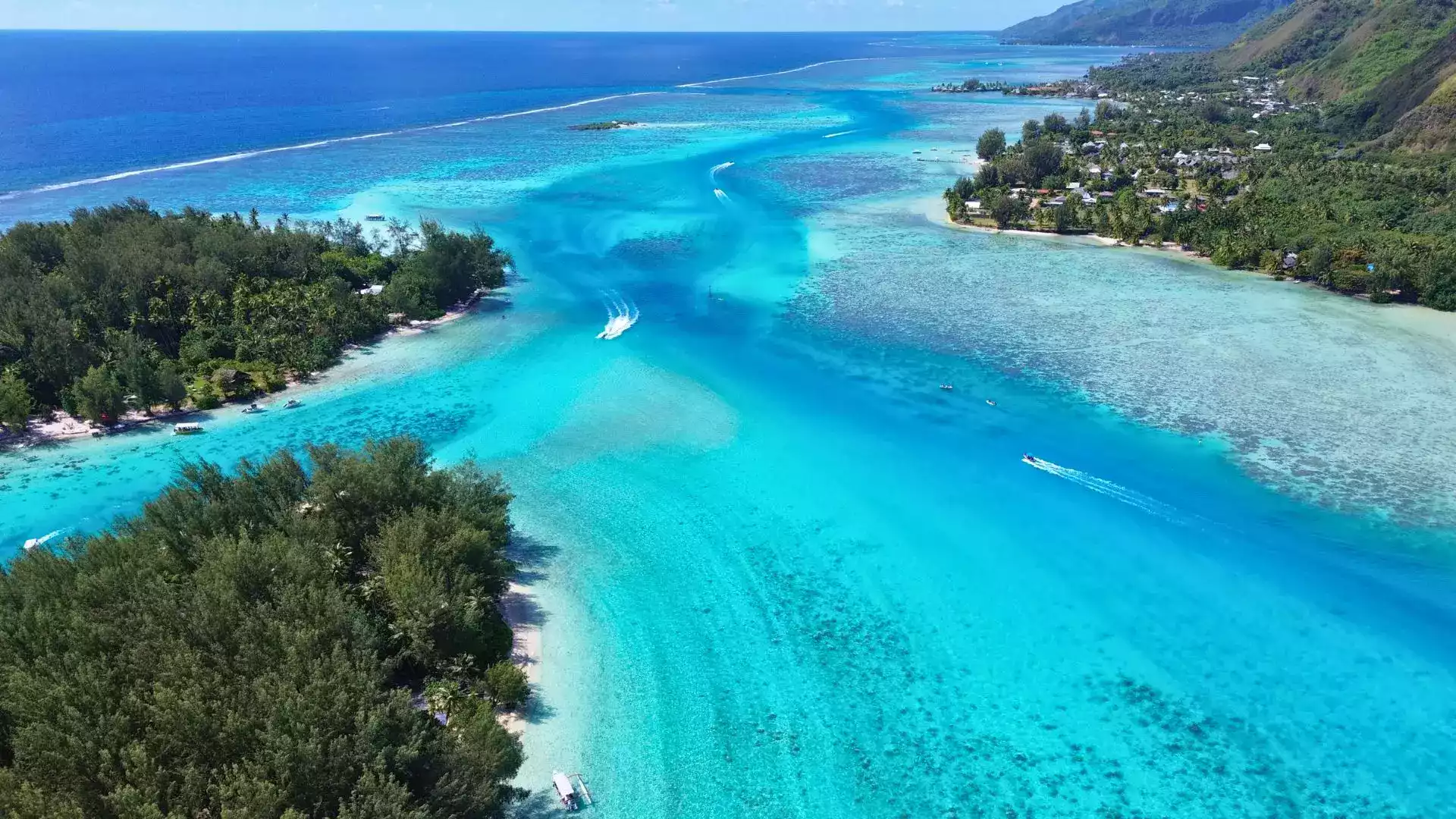
The lagoon wraps Moorea in a four-kilometer-wide band of turquoise water, its floor rising and falling in a topography shaped by coral heads, sand channels, and volcanic rock. That underwater architecture divides the snorkeling sites into distinct zones: shallow gardens where hard corals grow in less than three meters of water, deeper drop-offs along the barrier reef where the lagoon floor plunges to fifteen meters, and open sandy patches where rays rest between the coral. The northern coast holds the island's two main passes—Tareu and Vaiare—where tidal flow pumps nutrient-rich ocean water into the lagoon twice daily. Blacktip reef sharks and eagle rays follow that current, and the passes function as congregation points rather than isolated sightings. Coral density peaks on the outer reef slope, but the inner lagoon offers easier access and calmer conditions, particularly for swimmers entering from shore. The western bays between Haapiti and Tiahura shelter extensive coral gardens within wading distance of the beach, and the sandy bottom reflects light upward, brightening the water column even at midday. Visibility inside the lagoon averages fifteen to twenty-five meters in morning hours, dropping to ten meters or less when wind picks up after midday. The best snorkeling conditions align with slack tide and low wind, typically occurring before 11:00. Water temperature holds steady between 26°C and 29°C year-round, and the barrier reef blocks ocean swell, leaving the lagoon surface flat except during rare southerly storms. Marine life is resident rather than migratory—the same species occupy the same sites across all months, though ray activity increases slightly during the cooler season from June to September. Moorea snorkeling spots require no special permits, but the lagoon is a protected marine area under French Polynesian conservation law. Coral and shells cannot be removed, and feeding wildlife is prohibited at all sites. Most visitors combine multiple locations in a single morning, moving from shallow coral gardens to deeper reef edges as confidence and conditions allow.
“The lagoon floor rises and falls in a topography shaped by coral heads, sand channels, and volcanic rock, dividing snorkeling sites into distinct zones.”
Key Moorea Snorkeling Spots to Explore
Moorea offers diverse snorkeling environments within its shallow lagoon, ranging from sandy-bottomed flats to coral-rich reef slopes. These locations provide consistent opportunities to observe local marine life in their natural habitat.
Temae Beach
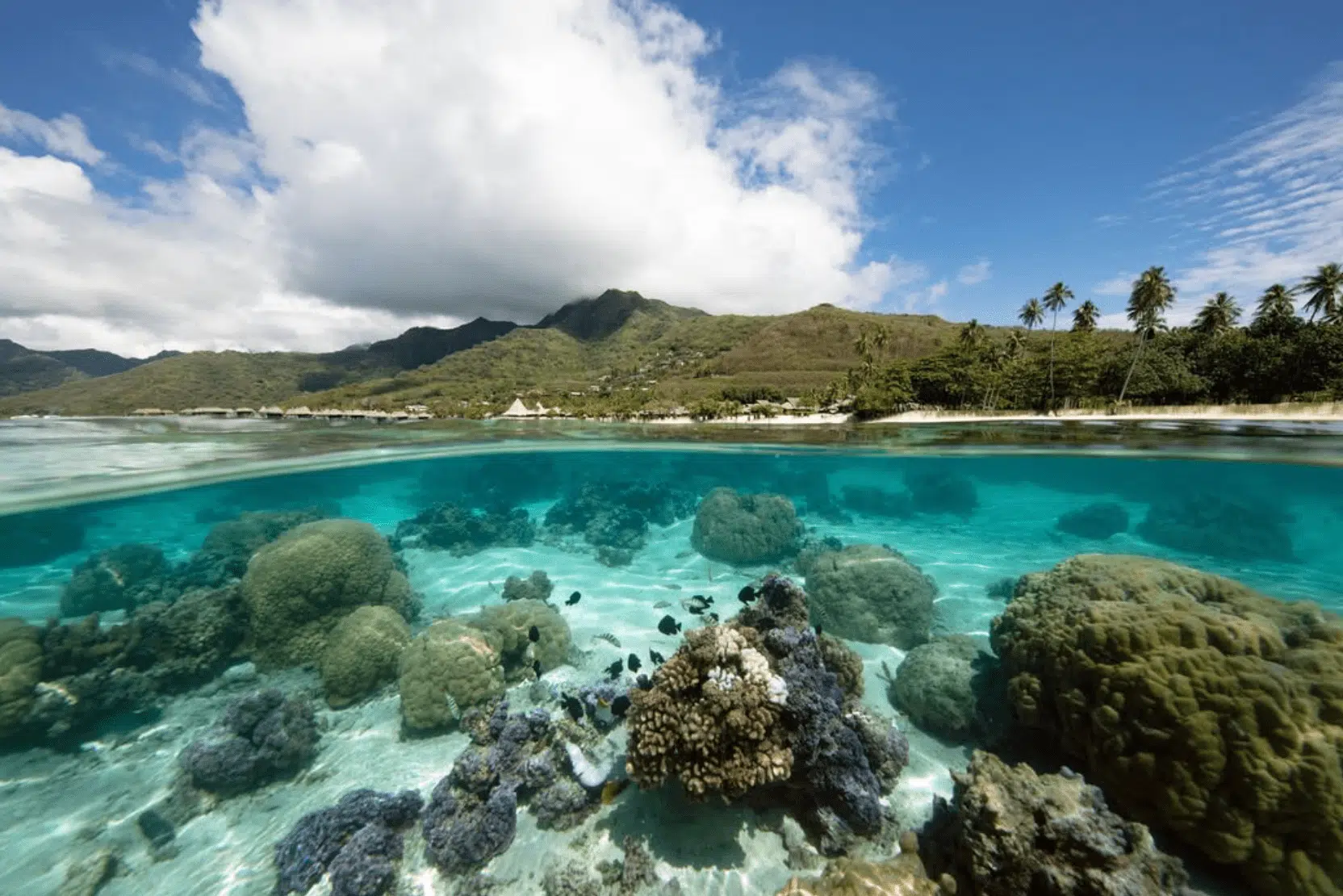
Located on the northeast coast, this site features a vibrant coral reef that begins just a short swim from the shoreline.
Swim toward the reef edge for clearer water and diversity.
Tiki Park area
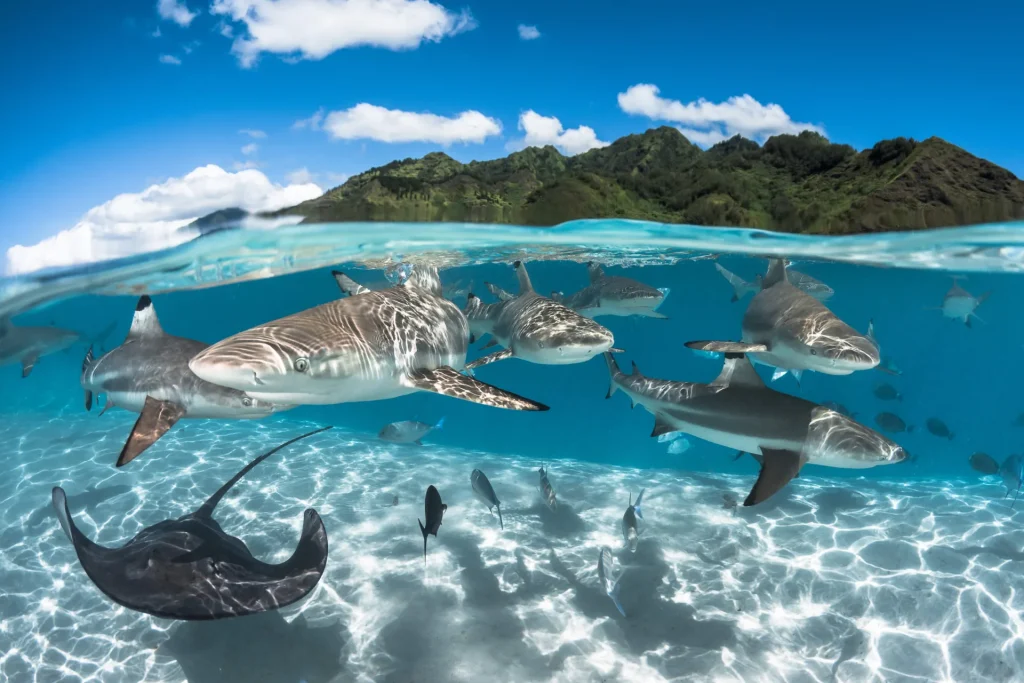
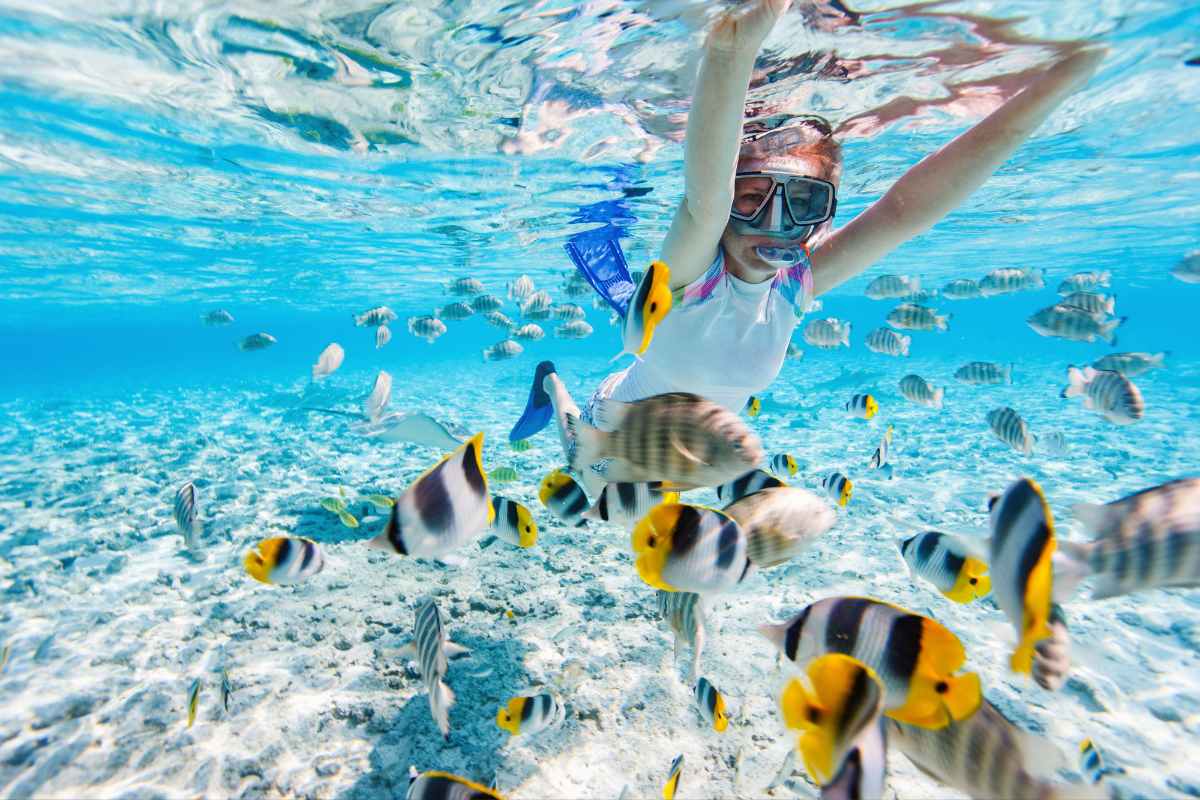
This site is known for its shallow, sandy areas which are ideal for spotting rays and various tropical fish species.
Enter the water near the marked buoys for best results.
Taahiamanu Beach
Situated near Cook's Bay, this public beach provides easy entry into calm, clear water where juvenile fish often congregate.
Look near the large coral heads for schools of snapper.
Motu Tiahura
This small islet off the northwest coast offers a deeper channel and surrounding reef patches frequently visited by green sea turtles.
Explore the shallow sandy shelf between the motu and reef.
Entrance Fees for Moorea Snorkeling Spots
Access to snorkeling spots in the Moorea lagoon and public beaches is managed as a natural resource. There are no entry fees required to access these areas.
A typical adult pays 0 XPF to access snorkeling spots, as all lagoon and beach areas remain free to the public.
Reaching Top Moorea Snorkeling Spots
Moorea is located in French Polynesia, with primary access to snorkeling spots available via the island's coastal road, Route de Ceinture. Visitors typically reach these locations by rental car, scooter, or organized boat transfer.
Route de Ceinture (around the island)
Lagoon excursion from Vaiare or Cook's Bay
Beach access paths from public shorelines
Responsible Behavior at Moorea Snorkeling Spots
Moorea's coral reefs and marine life thrive when visitors follow conservation practices. Respectful snorkeling protects the lagoon ecosystem for future generations.
Do
- Keep a safe distance from all marine life
- Use reef-safe sunscreen without oxybenzone or octinoxate
- Stay in designated snorkeling areas to avoid boat traffic
- Take all trash back to shore including organic waste
- Report injured marine animals to local authorities
- Float calmly to avoid kicking up sediment
Don't
- Touch, stand on, or break coral formations
- Feed fish or other marine animals
- Wear chemical sunscreens that damage coral reefs
- Chase, corner, or attempt to ride sea turtles
- Collect shells, coral, or sand from beaches
- Anchor boats directly on coral heads
Preparation Checklist for Moorea Snorkeling Spots
Arrive between 08:00 and 11:00 for the best visibility and calmer water before afternoon winds pick up.
-
Pack reef-safe sunscreen — Chemical sunscreens damage coral; use mineral-based formulas only.
-
Bring your own snorkel gear — Rental options are limited; a well-fitting mask prevents leaks and frustration.
-
Wear a rash guard or wetsuit — Protects against sun exposure and jellyfish stings in open water.
-
Check tide and wind forecasts — Strong winds after midday reduce visibility and create choppier surface conditions.
-
Carry a waterproof bag for valuables — No lockers or facilities at most beach access points around the island.
-
Plan your exit point before entering — Currents and distances are deceptive; know where you'll return to shore.
Check availability
Frequently asked questions about moorea snorkeling spots
Everything you need to know about moorea snorkeling spots