

Quick answer
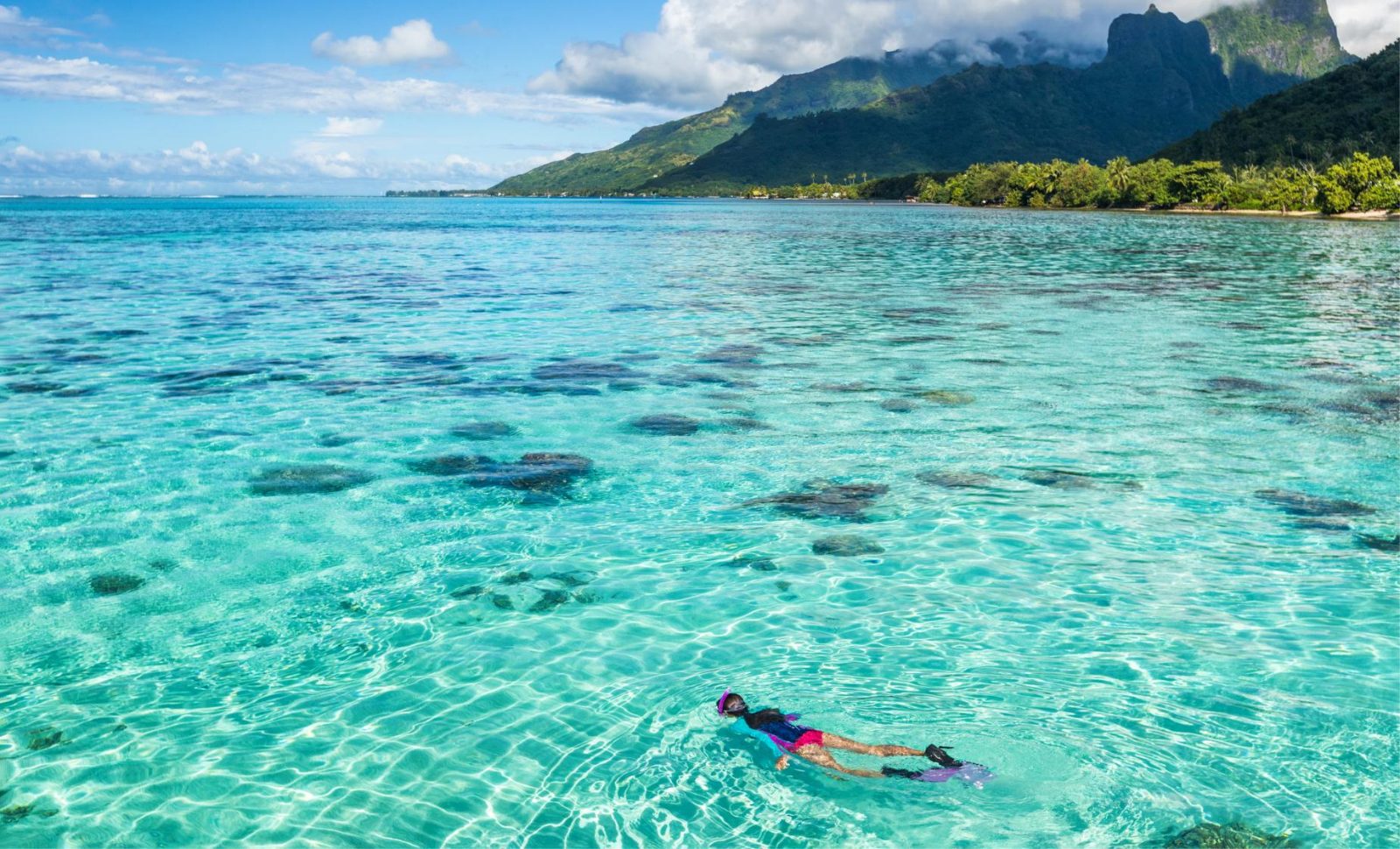
Moorea snorkeling beaches are open to the public 24 hours daily with no entrance fees. The best snorkeling window runs from 7:00 to 10:00 AM, when water clarity peaks, wind remains calm, and fish activity increases during morning feeding cycles. Afternoon sessions are possible but expect reduced visibility and stronger trade winds that stir sediment along shallow reef flats.
Moorea's volcanic coastline descends into a lagoon system protected by a barrier reef that lies 800 to 1,500 meters offshore. That buffer creates calm, shallow snorkeling zones along nearly every beach—but the reef passes, coral gardens, and sandy channels between them produce wildly different underwater experiences. Some beaches front grassy seabed with scattered coral heads. Others open directly onto drop-offs where blacktip reef sharks cruise the edge. The island's northwest and northern shores hold the clearest water and densest coral formations. Temae Beach on the eastern tip offers easy wading access to coral bommies surrounded by surgeonfish and butterflyfish, though the channel current near the pass requires attention. Public beach access points along the main coastal road are frequent but unmarked; look for pull-offs near outrigger canoe clubs or small pier structures. Gear is not provided at public beaches—bring or rent your own mask, snorkel, and fins. Timing matters. Morning light penetrates the lagoon at the angle that reveals coral color and fish detail. By midday, the sun sits overhead and flattens contrast. Wind builds after 11:00 AM most days, particularly from May through October when trade winds strengthen. That chop muddies nearshore zones and makes surface swimming more taxing. Early arrivals also avoid the tour-boat clusters that anchor over popular coral patches between 9:30 and 11:30 AM. If you arrive later, head to beaches away from resort concentrations—the lagoon is enormous, and a five-minute drive often means solitude. Snorkeling conditions vary with tide, not season. Low tide exposes reef flats and limits access to deeper coral, while high tide opens passages and allows easier swimming over shallow formations. Check tide schedules locally before choosing your beach. Water temperature holds steady year-round between 26°C and 29°C, so a wetsuit is optional unless you plan extended sessions or have cold sensitivity.
“Morning light penetrates the lagoon at the angle that reveals coral color and fish detail.”
Admission Costs for Moorea Snorkeling Beaches
Access to public snorkeling beaches in Moorea is provided at no cost to all visitors. There are no entrance fees required for any of the public coastal areas.
A typical adult pays 0 XPF to access snorkeling beaches, as there are no admission fees for public coastal areas in Moorea.
Notable Moorea Snorkeling Beaches and Zones
Moorea offers diverse snorkeling environments ranging from expansive white sand beaches to protected lagoon corridors. These areas provide access to coral formations and marine life typical of the South Pacific.
Temae Beach
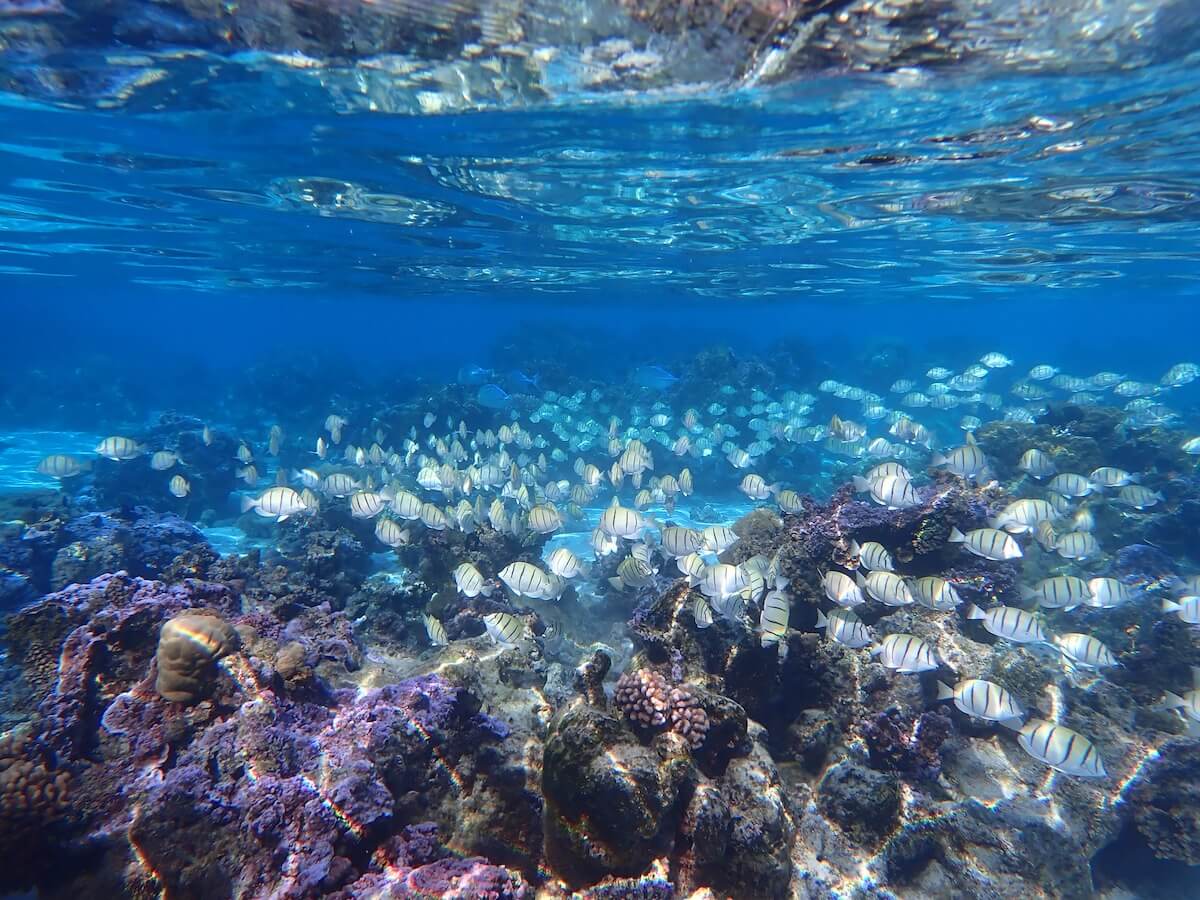
Located on the northeastern coast, this beach features a long stretch of sand leading into a protected coral reef. The water depth increases gradually, allowing for observation of tropical fish in the shallower sections.
Swim toward the reef edge during calm water conditions.
Ta'ahiamanu Beach
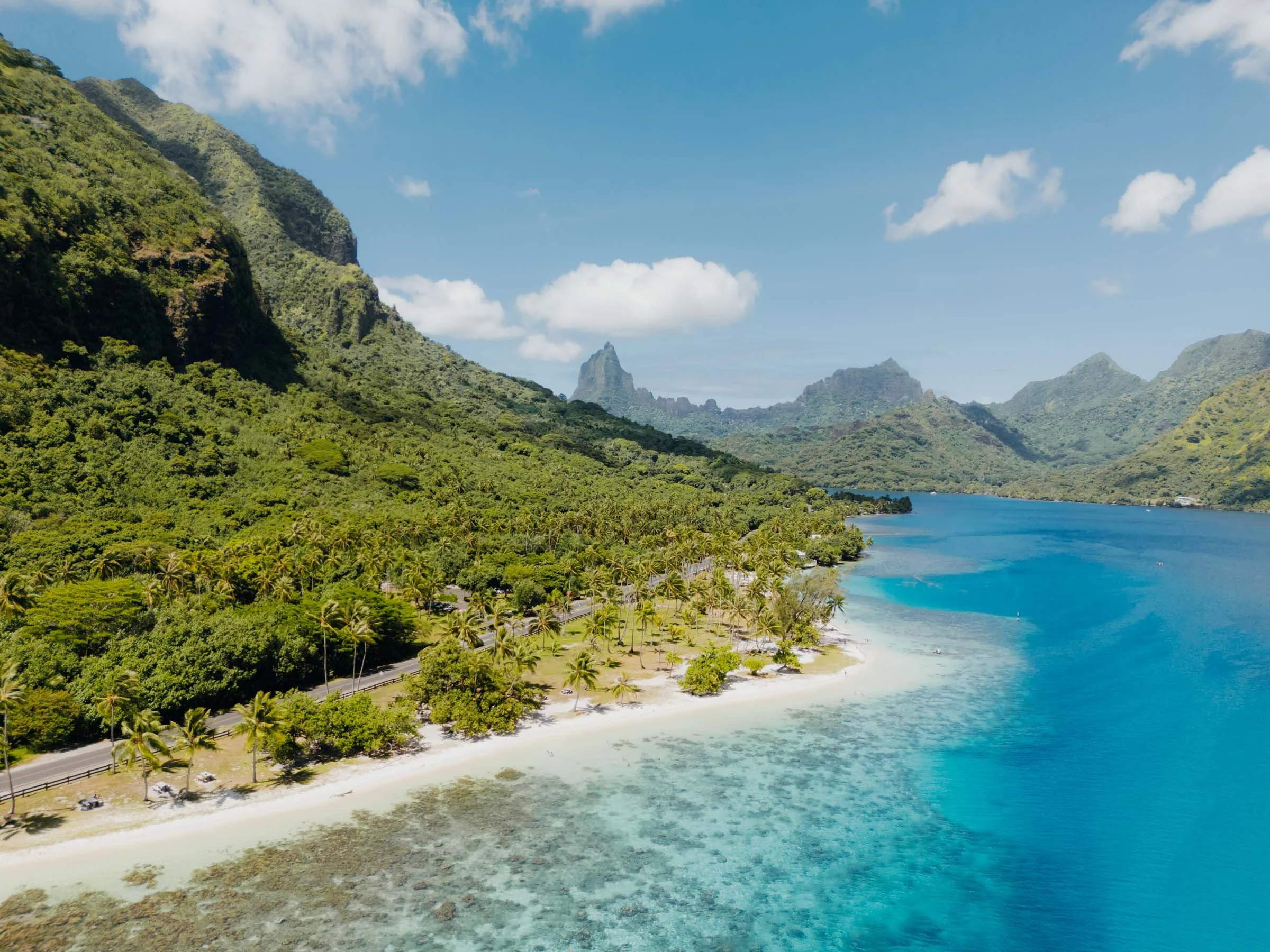
Also known as Mareto Beach, this site is situated between Cook's Bay and Opunohu Bay. The lagoon here is calm and frequently hosts stingrays and blacktip reef sharks near the sandy bottom.
Observe marine life in the sandy channels near the shore.
Motu Tiahura
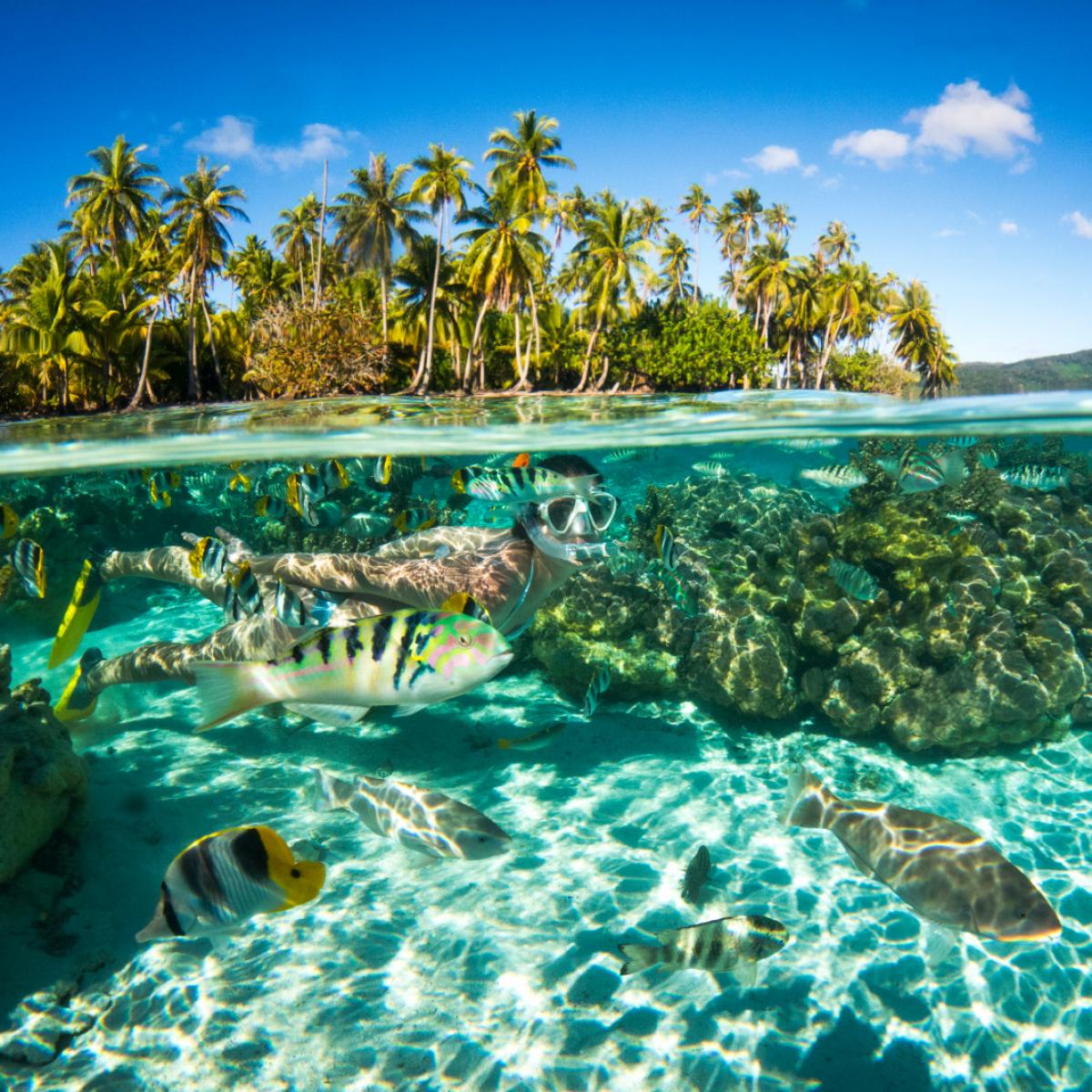
This small islet off the northwest coast is accessible by boat or guided excursion. The surrounding waters are known for high coral density and frequent sightings of green sea turtles.
Explore the shallow sandy flats between the main island and the motu.
Tipaniers Beach
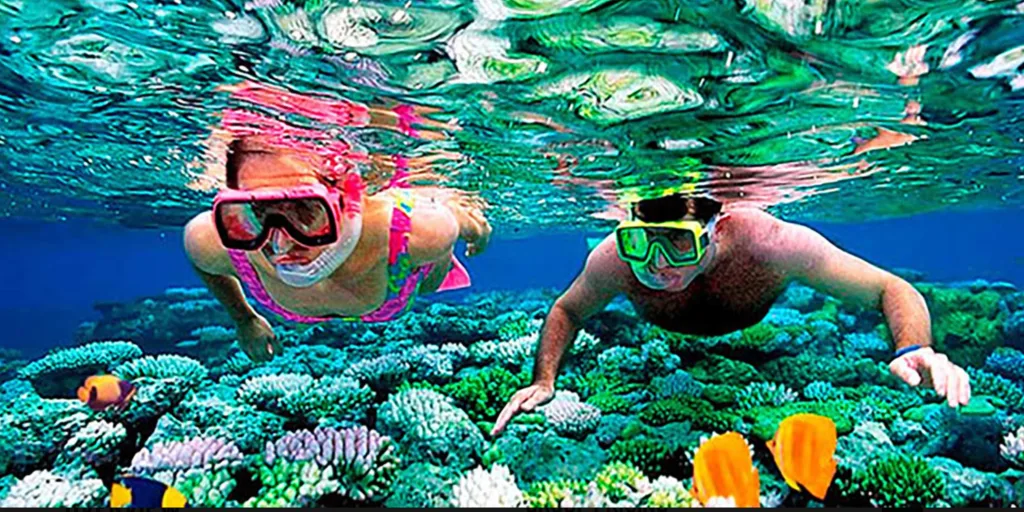
Accessible through the hotel grounds, this area offers a well-defined channel for snorkeling. It serves as a primary access point for observing the variety of reef fish that inhabit the inner lagoon.
Follow the marked channel to reach deeper coral sections.
Access and Transport to Moorea Snorkeling Beaches
Moorea is accessible via a short ferry ride from Tahiti, with most snorkeling beaches located along the northern and eastern coasts. The island is best navigated by rental car or scooter via the main coastal road, Route de Ceinture.
Route de Ceinture (main coastal road)
Route de Ceinture (main coastal road)
Island-wide service to public beach access points
Chartered water taxi to lagoon snorkeling spots
Essential Preparation for Moorea Snorkeling Beaches
Proper gear and awareness of ocean conditions ensure both safety and successful marine encounters at Moorea's snorkeling beaches.
-
Pack reef-safe sunscreen — Chemical sunscreens damage coral; choose mineral-based formulas.
-
Bring your own mask and snorkel — Rental gear may not fit properly, causing leaks and discomfort.
-
Check ocean conditions before departure — Strong currents and poor visibility occur after storms or high winds.
-
Wear a rash guard or wetsuit — Protects against sunburn, jellyfish stings, and coral scrapes.
-
Carry a dry bag for valuables — Public beaches have no secure lockers; protect phones and documents.
-
Learn basic snorkeling signals — Hand signals for "OK," "problem," and "ascend" matter when swimming with partners.
-
Verify your travel insurance covers water activities — Medical evacuation from French Polynesia is expensive if accidents occur.
Check availability
Frequently asked questions about moorea snorkeling beaches
Everything you need to know about moorea snorkeling beaches